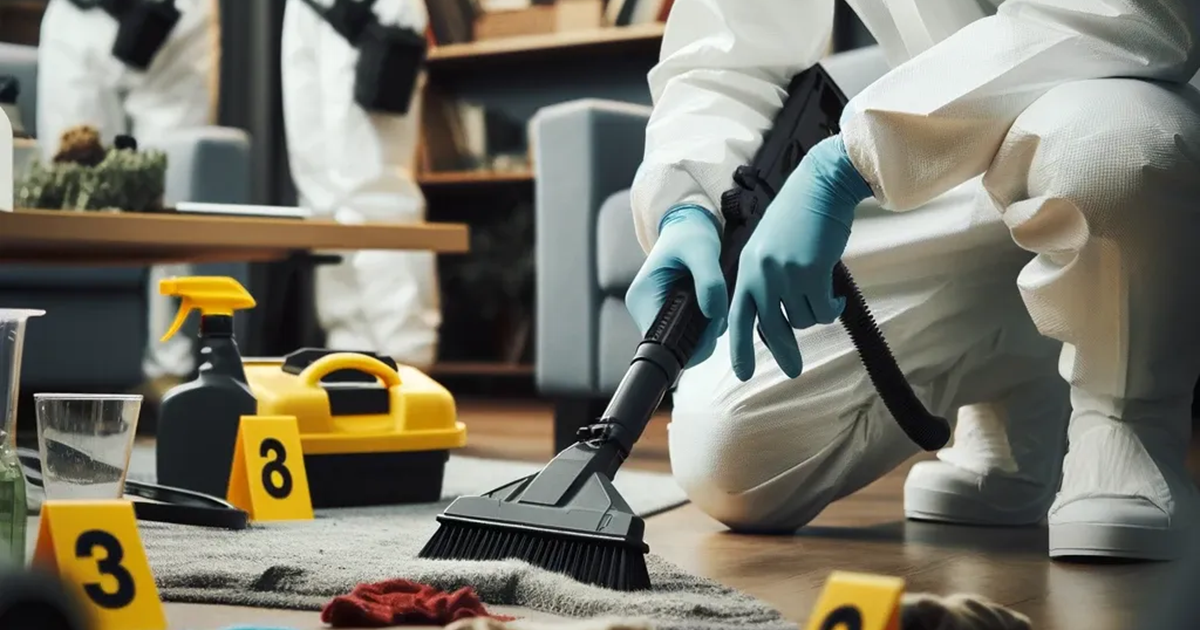
Avoid Costly Mistakes: What to Ask Before Selecting a Biohazard Cleanup Team
Insurance adjusters are critical in managing complex and often emotionally charged claims. Whether dealing with the aftermath of a crime scene, an unattended death, a hoarding situation, or a hazardous spill, they must ensure that affected properties are cleaned and restored efficiently while adhering to strict safety and regulatory standards.
Selecting the right biohazard cleanup partner is not just about hiring a cleaning company—it’s about finding a professional team that understands the urgency, documentation requirements, and legal considerations associated with biohazard remediation.
Not all biohazard cleanup companies operate at the same expertise, professionalism, or compliance level. A qualified partner helps streamline the claims process, minimizes liability risks, and ensures that all cleanup efforts meet health and environmental regulations.
These questions will ensure you’re working with a reliable, certified, and experienced team that handles sensitive cases with care and efficiency.
1. Are You Certified and Properly Trained for Biohazard Cleanup?
Why it Matters:
Biohazard cleanup is not the same as standard cleaning. It involves exposure to potentially infectious materials, including blood, bodily fluids, drug residues, and hazardous waste.
If not handled properly, biohazard contaminants can pose serious health risks to residents, property owners, and even the cleanup crew. Improper handling or disposal can also lead to legal and regulatory consequences for insurance companies and property owners.
Working with an untrained or uncertified company increases the risk of cross-contamination, liability issues, and non-compliance penalties.
What to Look For:
When selecting a biohazard cleanup company, insurance adjusters should verify that the team is properly trained and certified in handling hazardous materials. Key certifications and qualifications to look for include:
Bloodborne Pathogens Training: This ensures technicians know how to handle materials that may carry infectious diseases such as Hepatitis B, Hepatitis C, and HIV safely.
Hazardous Materials Training: Prepares technicians to safely identify, handle, and dispose of biohazardous and chemical contaminants.
OSHA Compliance Certifications: Ensures the company follows workplace safety regulations to protect workers and property owners.
EPA and State Disposal Regulations: Verifies that the company properly disposes of biohazardous waste following federal and local laws.
Industry-Specific Training: Some cases require specialized training, such as crime scene decontamination, fentanyl exposure cleanup, and trauma scene remediation.
Insurance adjusters should ask for proof of certification and ongoing training to ensure that cleanup technicians remain current with the latest safety protocols and best practices.
Bio-One’s Advantage:
At Bio-One, we take training and compliance seriously. Our technicians undergo rigorous certification programs, including:
Bloodborne Pathogens Training to ensure safe handling of biohazardous materials.
OSHA-certified safety courses for properly using personal protective equipment (PPE) and decontamination procedures.
Bio-One Training System (BOTS) to identify and remove hazardous substances safely.
Compliance with all EPA and state-mandated waste disposal regulations.
Continuous education to stay updated on new biohazard cleanup protocols.
By choosing Bio-One, insurance adjusters can be confident that they are working with a trusted, fully certified biohazard cleanup team that prioritizes safety, compliance, and professionalism in every job.
2. Do You Have Experience Handling Insurance Claims?
Why it Matters:
Insurance adjusters are responsible for processing claims quickly and efficiently while ensuring all services are necessary, properly documented, and within policy guidelines. A biohazard cleanup company unfamiliar with the insurance claims process can create unnecessary delays, incomplete paperwork, or billing discrepancies, complicating the adjuster’s job.
By working with a cleanup partner experienced in insurance documentation, direct billing, and industry regulations, adjusters can ensure a smoother claims process and reduce stress for all parties involved.
What to Look For:
Insurance adjusters should verify that the biohazard cleanup company they work with has direct experience handling insurance claims, including:
Thorough Documentation: The company should provide before-and-after photos, written assessments, and detailed reports outlining the scope of work and contamination levels.
Direct Insurance Billing: To minimize the administrative burden on property owners and adjusters, the company should be able to bill insurance providers directly, reducing clients' out-of-pocket costs.
Itemized Invoices: A professional cleanup company should break down costs into specific line items, ensuring transparency and helping adjusters determine which services fall within policy coverage.
Knowledge of Insurance Policies: The team should understand how different policies cover biohazard cleanup and be able to provide claim-friendly estimates that meet industry standards.
Regulatory Compliance: To prevent legal or insurance complications, the company should ensure that all documentation aligns with OSHA, EPA, and state health department regulations.
Bio-One’s Advantage:
At Bio-One, we work closely with insurance adjusters to streamline the claims process and reduce administrative burdens. Our experience in handling biohazard-related insurance claims allows us to provide:
Comprehensive Documentation: We supply detailed reports, before-and-after photos, and itemized invoices to support insurance claims.
Direct Insurance Billing: Our team can process payments and claims directly with homeowner’s insurance, property managers, and commercial policies.
Policy Knowledge: We understand the coverage limitations and requirements for biohazard cleanup and work with adjusters to ensure compliance.
Fast Response and Claim Processing: We know time is critical, so we work efficiently to complete the cleanup and promptly provide all necessary paperwork.
By partnering with Bio-One, insurance adjusters gain a trusted, experienced biohazard remediation partner who understands the importance of documentation, efficiency, and compliance in claims.
3. How Quickly Can You Respond to an Emergency?
Why It Matters:
In biohazard situations, time is critical. Whether dealing with an unattended death, a crime scene, a hoarding situation, or a sewage backup, the longer biohazardous materials remain on-site, the greater the risk to health, safety, and property integrity.
Health Risks Increase Over Time: Blood, bodily fluids, and other hazardous materials decompose quickly, leading to harmful bacteria, airborne pathogens, and strong odors that worsen the contamination.
Structural Damage Can Escalate: Biohazards like sewage backups and unattended deaths can soak into floors, walls, and HVAC systems, causing long-term property damage and higher restoration costs.
Regulatory Compliance and Liability: Delayed cleanup can result in non-compliance with OSHA, EPA, and local health regulations, leading to potential legal and financial repercussions.
Emotional Toll on Clients: Families dealing with traumatic events should not have to wait days for a response. A compassionate, quick cleanup minimizes further distress.
For insurance adjusters, a fast-acting cleanup partner reduces claim complexity, limits secondary damage, and helps clients return to normalcy faster.
What to Look For:
When choosing a biohazard cleanup company, insurance adjusters should ensure they provide:
24/7 Emergency Response: The company must be available day or night, including weekends and holidays, to handle time-sensitive biohazard situations.
Rapid On-Site Arrival: Look for a company that can dispatch trained technicians within hours, not days, to prevent further damage and health risks.
Trained Emergency Teams: The company should have on-call technicians ready to mobilize and equipped with PPE, containment supplies, and industry-grade disinfectants.
Experience with High-Priority Cases: Not all biohazard companies specialize in emergency response—ensure they can efficiently handle trauma scenes, chemical hazards, or large-scale contamination.
Strong Communication and Coordination: Quick response means nothing without precise coordination with insurance adjusters, property owners, and first responders to ensure a smooth cleanup process.
Bio-One’s Advantage:
At Bio-One, we understand that biohazard emergencies require immediate action. That’s why we offer:
24/7/365 Emergency Availability: We are always on call and ready to respond when disaster strikes—no waiting, no delays.
Fast Dispatch and On-Site Arrival: Our teams arrive within hours to assess the situation and begin cleanup, preventing further contamination.
Trained and Certified Emergency Technicians: Our experts come prepared with the latest equipment, PPE, and industry-standard protocols to contain, disinfect, and restore the affected area.
Coordinated Insurance Support: We work alongside insurance adjusters to document the damage, submit necessary reports, and expedite the claims process.
Discreet and Compassionate Service: Many emergencies involve trauma, so we arrive in unmarked vehicles and handle every job with sensitivity and respect.
By choosing Bio-One, insurance adjusters can trust that their clients will receive immediate, expert care, minimizing further damage and ensuring claims are handled quickly and efficiently.
4. Do You Follow Proper Disposal and Decontamination Procedures?
Why It Matters:
Biohazardous materials—including blood, bodily fluids, infectious waste, and contaminated materials—cannot be treated like regular trash. Improper handling, transport, or disposal of these substances can result in:
Health Risks: Exposure to biohazards can lead to the spread of infectious diseases, including Hepatitis B, Hepatitis C, HIV, and bacterial infections.
Environmental Contamination: Improper disposal of biohazardous waste can pollute water sources, soil, and air, creating long-term ecological damage.
Legal and Regulatory Issues: OSHA, the EPA, and state health departments enforce strict disposal and decontamination guidelines. Failure to comply can result in fines, lawsuits, and liability claims against insurance providers and property owners.
Cross-Contamination Risks: Incomplete or improper decontamination can leave behind dangerous pathogens, making the space unsafe for future occupancy.
For insurance adjusters, working with a biohazard cleanup company that follows proper disposal procedures ensures compliance, prevents liability risks, and protects all parties involved.
What to Look For:
When vetting a biohazard cleanup company, insurance adjusters should confirm that the company:
Follows OSHA, EPA, and State Regulations: Compliance with local and federal laws ensures safe handling, transport, and disposal of biohazardous waste.
Uses Certified Medical Waste Disposal Services: The company should work with licensed disposal facilities specializing in incineration or sterilizing biohazardous waste.
Properly Decontaminates Surfaces and Air: Effective cleanup involves more than just removing visible contaminants. Look for companies that:
Use hospital-grade disinfectants and EPA-approved cleaning agents.
Testing to verify surface sanitation.
Implement odor removal techniques such as hydroxyl generators or ozone treatments.
Follows Chain-of-Custody Documentation: Proper biohazard cleanup includes detailed tracking of waste disposal from collection to final disposal, ensuring compliance.
Uses Industry-Standard PPE and Safety Protocols: Cleanup crews should be equipped with respirators, hazmat suits, gloves, and eye protection to prevent exposure and contamination.
Bio-One’s Advantage:
At Bio-One, safety and compliance are our top priorities. We strictly follow all federal, state, and local biohazard disposal regulations, ensuring that every job is handled with the utmost care.
OSHA and EPA Compliance: Our team is fully trained in hazardous waste handling and disposal, ensuring complete regulatory adherence.
Licensed Biohazard Waste Disposal: We work with approved medical waste disposal facilities to safely remove and dispose of biohazardous materials.
Thorough Decontamination Process: We go beyond surface cleaning, using industrial-grade disinfectants, fogging techniques, and ATP testing to verify decontamination.
Complete Documentation and Reporting: We provide detailed records of the cleaning and disposal process, ensuring transparency and compliance for insurance claims.
Cross-Contamination Prevention: Our technicians follow strict containment procedures to prevent the spread of biohazards to unaffected areas.
By choosing Bio-One, insurance adjusters can trust that biohazardous materials will be handled safely, legally, and efficiently, reducing liability risks and ensuring a fully restored environment.
5. How Do You Ensure Discretion and Compassion During the Cleanup Process?
Why It Matters:
Biohazard cleanup is more than just a technical job—it often involves deeply emotional and traumatic situations. Whether responding to a crime scene, an unattended death, a suicide, or a hoarding situation, cleanup crews are often working in the homes and businesses of individuals who are grieving, in distress, or facing significant hardship.
Emotional Sensitivity: Families and property owners may be dealing with shock, trauma, or loss, making it crucial for the cleanup team to approach the situation with care and empathy.
Privacy and Confidentiality: Many clients prefer to keep biohazard incidents private, whether due to personal reasons, legal matters, or concerns about stigma.
Avoiding Additional Distress: A cold or unprofessional approach can exacerbate emotional pain, making the experience even more difficult for those involved.
Business and Rental Property Concerns: Property managers, landlords, and business owners need discreet cleanup to avoid alarming tenants, employees, or customers.
For insurance adjusters, choosing a compassionate, professional, and discreet biohazard cleanup partner ensures that affected individuals receive support during a difficult time while protecting the property owner's or business's reputation.
What to Look For:
When selecting a biohazard cleanup company, insurance adjusters should ensure that the team demonstrates:
Discreet Operations: The company should use unmarked vehicles and uniforms to maintain privacy.
Compassionate and Trained Technicians: Team members should be trained in emotional sensitivity and trauma-informed response techniques to interact appropriately with grieving families.
Respectful Communication: Cleanup professionals should explain the process with care and understanding, avoiding clinical or harsh terminology.
Confidentiality Commitment: The company should guarantee strict privacy policies, ensuring that sensitive information about the incident remains secure.
Coordination with Families and Property Managers: The cleanup team should work closely with adjusters, families, and business owners to minimize disruption and ensure a smooth process.
Bio-One’s Advantage:
At Bio-One, we understand that our work goes beyond cleaning—it’s about helping people during some of the most challenging moments of their lives. We approach every job with compassion, discretion, and professionalism to support those affected.
Unmarked Vehicles for Privacy: We arrive in discreet, unmarked vehicles, ensuring that neighbors, customers, or passersby are unaware of the nature of the work.
Trauma-Informed Training: Our technicians are trained to handle sensitive situations with care, patience, and respect for grieving families and property owners.
Quiet, Efficient Cleanup Process: We work quickly and unobtrusively to complete the cleanup without unnecessary attention.
Clear and Compassionate Communication: We explain the cleanup process in a reassuring and supportive manner, ensuring families and adjusters understand each step.
Confidentiality and Respect: We treat every case with strict confidentiality, protecting the privacy and dignity of those involved.
By partnering with Bio-One, insurance adjusters can ensure clients receive expert biohazard cleanup services with the care and respect they deserve, providing peace of mind during an incredibly challenging time.
6. What Additional Services Do You Offer?
Why It Matters:
Biohazard cleanup often involves more than simply removing hazardous materials. Some cases—hoarding situations, crime scenes, trauma events, and severe property neglect—require a full range of remediation services to restore a property to a livable or business-ready condition.
Hoarding Cleanup Requires More Than Just Decluttering: Many hoarding cases involve biohazards such as mold, animal waste, pest infestations, and structural damage, requiring specialized remediation beyond simple junk removal.
Crime Scene Cleanup Involves Extensive Decontamination: Blood, bodily fluids, and forensic chemicals can soak into flooring, walls, and furniture, requiring deep cleaning, odor removal, and sometimes demolishing contaminated materials.
Unattended Deaths Create Lingering Health Risks: Decomposition can release harmful bacteria and airborne pathogens, requiring advanced deodorization techniques, ATP testing, and sanitation.
Sewage Backups and Infectious Disease Cleanup Demand Specialized Expertise: Pathogens present in sewage, MRSA outbreaks, and viral contamination require hospital-grade disinfectants and containment procedures to prevent further exposure.
Working with a full-service remediation company simplifies the claims process for insurance adjusters. It reduces the need for multiple vendors and ensures that the property is completely restored in a coordinated effort.
What to Look For:
When selecting a biohazard cleanup company, insurance adjusters should seek a partner that offers a comprehensive suite of services, including:
Full-Spectrum Biohazard Cleanup: The company should handle crime scene cleanup, trauma cleanup, suicide cleanup, hoarding cleanup, and unattended death remediation.
Structural Cleaning and Remediation: Some biohazards penetrate surfaces, requiring advanced decontamination and demolition of compromised materials.
Odor Removal and Air Purification: After removing a biohazard, odor molecules can linger in walls, carpeting, and HVAC systems. Look for companies that use:
Ozone treatments
Hydroxyl generators
HEPA filtration systems
Hoarding Cleanup and Debris Removal: The company should not only remove clutter but also sanitize the space, remove contaminants, and provide long-term support for individuals affected by hoarding disorder.
Sewage and Water Damage Cleanup: Flooding and backups introduce bacteria, viruses, and mold, requiring specialized disinfection and dehumidification to prevent long-term damage.
Infectious Disease and COVID-19 Cleanup: Some properties may require viral disinfection services to contain and eliminate pathogens from outbreaks.
Bio-One’s Advantage:
At Bio-One, we provide end-to-end remediation services, ensuring that properties are cleaned and restored to a safe and habitable condition.
Comprehensive Biohazard Cleanup: We handle all biohazard-related incidents, from crime scenes and suicides to hoarding, sewage, and hazardous waste cleanup.
Advanced Odor Removal: Our teams use industrial-grade air purification technology, including ozone machines, hydroxyl generators, and deep-cleaning solutions to remove stubborn odors.
Hoarding and Extreme Cleaning: We provide compassionate, full-service hoarding cleanup, including clutter removal, sanitization, and pest control coordination.
Sewage and Water Damage Mitigation: We decontaminate, disinfect, and dry affected areas to prevent mold growth and structural damage.
Full-Service Restoration Support: We coordinate with contractors, restoration teams, and insurance adjusters to ensure properties are returned to pre-incident conditions.
By partnering with Bio-One, insurance adjusters can streamline claims by working with a single, trusted provider that offers both biohazard removal and complete property remediation. This ensures clients receive the most thorough and professional service possible.
A Reliable Biohazard Cleanup Partner Makes All the Difference
Selecting the right biohazard cleanup partner ensures a smooth and efficient claims process. Insurance adjusters must navigate complex cases involving health risks, regulatory requirements, and emotional sensitivities, so working with a qualified and experienced remediation team is essential.
By carefully vetting biohazard cleanup companies with key questions—about certifications, insurance expertise, emergency response times, regulatory compliance, discretion, and additional services—adjusters can avoid delays, compliance issues, and costly mistakes.
A trusted biohazard remediation partner doesn’t just clean up hazardous materials; they streamline documentation, reduce liabilities, and provide both adjusters and property owners peace of mind.
At Bio-One, we check all the boxes—offering:
24/7 rapid response to minimize damage and risk.
Certified, highly trained technicians ensuring safety and compliance.
Insurance-friendly documentation to support smooth claim approvals.
Compassionate and discreet service for families, businesses, and property managers.
By partnering with Bio-One, insurance adjusters gain a dependable ally who understands biohazard claims' urgency, complexity, and sensitivity. Our experience, responsiveness, and commitment to excellence make us the preferred choice for insurance professionals nationwide.
FAQ
What certifications should a biohazard cleanup company have?
A qualified biohazard cleanup team should have certifications in Bloodborne Pathogens Training, Hazardous Materials Handling, OSHA Compliance, and adherence to EPA and state disposal regulations. These certifications ensure they follow safety protocols and legal requirements.
Does Bio-One handle insurance claims directly?
Yes, Bio-One has extensive experience working with insurance adjusters. We provide thorough documentation, itemized invoices, and direct insurance billing to streamline the claims process and reduce the administrative burden.
How quickly can Bio-One respond to an emergency?
Bio-One offers 24/7 emergency response and can dispatch trained technicians within hours to prevent further contamination, reduce health risks, and ensure a rapid cleanup process.
What are the risks of hiring an uncertified biohazard cleanup company?
Working with an untrained or uncertified company can lead to improper decontamination, cross-contamination risks, legal and regulatory penalties, and increased liability for insurance adjusters and property owners.
How does Bio-One ensure proper disposal of biohazardous waste?
We strictly follow OSHA, EPA, and state regulations, working with licensed medical waste disposal facilities to safely transport and dispose of biohazardous materials.
What additional services does Bio-One offer besides biohazard cleanup?
Bio-One provides hoarding cleanup, odor removal, sewage and water damage remediation, crime scene decontamination, trauma cleanup, and infectious disease disinfection.
How does Bio-One ensure discretion and compassion during cleanup?
Our team arrives in unmarked vehicles, follows trauma-informed training, and communicates with sensitivity and respect. We prioritize privacy and work discreetly to minimize further distress for those affected.
What should insurance adjusters look for in a biohazard cleanup partner?
Adjusters should verify certifications, check for experience in handling insurance claims, confirm emergency response capabilities, review compliance with disposal regulations, and assess the company’s reputation for professionalism and discretion.
Squad cars are more than just vehicles -they are vital lifelines in law enforcement. Whether rushing to a scene, transporting detainees, or serving as mobile offices for officers, these cars endure constant use and high-pressure situations. Their critical role comes with hidden challenges, particularly concerning contamination.
Every shift introduces the potential for exposure to bodily fluids, drug residues, and other biohazards. Blood from an injured detainee, traces of powerful narcotics like fentanyl, or airborne pathogens from someone with a contagious illness can all turn a squad car into a health risk.
These contaminants jeopardize the safety of officers and can also harm detainees, technicians, and anyone who comes into contact with the vehicle.
Unfortunately, many of these hazards are invisible to the naked eye and cannot be addressed with standard cleaning methods. Therefore, regular, professional biohazard cleanup is essential in maintaining the health and safety of law enforcement personnel and the public they serve.
By investing in specialized cleanup services, departments can ensure that their fleet is operational and the environment is safe for everyone.
Regular, professional biohazard cleanup is essential in maintaining the health and safety of law enforcement personnel and the public they serve.
The Hidden Hazards in Squad Cars: A Closer Look at Biohazard Risks
Law enforcement vehicles face unique challenges due to their constant exposure to high-risk situations. While they serve as vital tools for officers, the conditions they encounter can create environments teeming with invisible dangers. These biohazards often go unnoticed during routine cleanings, leaving officers, detainees, and maintenance staff vulnerable to severe health risks.
Common Biohazards Found in Squad Cars
Squad cars frequently encounter contaminants that pose significant health and safety risks, including:
Bodily Fluids
Blood, vomit, urine, and other bodily fluids are often present after incidents involving injuries or illness.
These fluids can carry harmful pathogens, such as:
Viruses: Hepatitis B and C, HIV.
Bacteria: MRSA, E. coli, or other infectious agents.
Drug Residues
Narcotics, including fentanyl, heroin, and methamphetamine, can leave behind microscopic but highly toxic residues.
Risks associated with drug residues:
Inhalation or skin contact with fentanyl traces can lead to severe health effects, including overdose.
Cross-contamination of surfaces, potentially spreading substances to other occupants.
Bacteria, Germs, and Viruses
Detainees with contagious illnesses (e.g., tuberculosis, influenza, or COVID-19) often leave behind invisible threats.
Pathogens can linger on frequently touched surfaces such as:
Door handles, seat belts, and plastic partitions.
HVAC systems, which can circulate airborne particles.
Unseen Contaminants
Hidden dangers include:
Used needles left in seat crevices or under floor mats.
Contaminated personal belongings such as clothing or bags.
These objects increase the risk of accidental exposure to bloodborne pathogens or sharp injuries.
Law enforcement vehicles face unique challenges due to their constant exposure to high-risk situations.
Why DIY Cleaning Fails to Protect Against Squad Car Biohazards
Relying on in-house cleaning for law enforcement vehicles may seem cost-effective and efficient. Still, it often falls dangerously short in addressing the unique and complex biohazard risks squad cars face. Without specialized training, equipment, and protocols, these efforts can leave critical hazards unresolved, putting officers, detainees, and others at risk.
Key Limitations of DIY Cleaning
Incomplete Removal
Standard cleaning supplies, such as household disinfectants or basic automotive cleaners, are ineffective in eliminating all pathogens or chemical residues.
Pathogens like Hepatitis B, MRSA, or drug residues such as fentanyl can remain active on surfaces, posing serious health risks.
Visible dirt or stains may be cleaned, but microscopic contaminants often go unnoticed and untreated.
Insufficient Protective Measures
Officers or staff performing DIY cleaning typically do not have access to professional-grade protective equipment (PPE), such as:
Respirators, gloves, or hazmat suits are designed to guard against exposure.
Without adequate training, these individuals may inadvertently expose themselves to biohazards during cleaning or disposal.
Handling contaminated surfaces or objects increases the likelihood of accidental injuries or infections.
Residual Hazards
Even after removing visible contamination, microscopic threats often persist on surfaces, in seat crevices, or within HVAC systems.
Common residual hazards include:
Airborne pathogens recirculate through the vehicle's ventilation system.
Drug particles that remain undetected pose risks through skin contact or inhalation.
Traces of bodily fluids can harbor dangerous bacteria and viruses long after the initial incident.
Inadequate Disposal
Improper disposal of biohazardous materials, such as blood-soaked fabrics or used needles, can create additional risks for custodial staff or waste handlers.
Missteps in handling biohazardous waste can also result in regulatory violations and fines.
The Importance of Professional Intervention
No matter how well-intentioned, DIY cleaning methods cannot match the effectiveness of professional biohazard cleanup services. Professionals ensure:
Full decontamination using advanced equipment and medical-grade cleaning agents.
Compliance with OSHA and other safety standards for handling and disposal.
Reduced risk of exposure for officers and staff, preserving their health and operational readiness.
Investing in professional cleaning services is not just about maintaining cleanliness—it’s about protecting lives and ensuring that law enforcement vehicles remain safe for all users.
Overlooking proper biohazard cleanup in squad cars isn’t just an oversight—it’s a liability.
Ensuring Safety for All: The High Stakes of Biohazard Cleanup
Overlooking proper biohazard cleanup in squad cars isn’t just an oversight - it’s a liability. From the health and well-being of officers to the legal and operational stability of law enforcement departments, the consequences are far-reaching and potentially devastating. A proactive approach to vehicle decontamination safeguards everyone involved.
The Serious Consequences of Neglecting Biohazard Cleanup
Health Risks
For Officers:
Continuous exposure to pathogens like Hepatitis B, HIV, or drug residues such as fentanyl can lead to severe illness or accidental overdoses.
Contact with contaminated surfaces can result in skin infections, respiratory problems, or other long-term health issues.
For Detainees:
Those transported in contaminated vehicles risk infection or harm, particularly if exposed to residual substances or pathogens.
Vulnerable populations, such as those with pre-existing health conditions, face heightened risks.
Legal Implications
Lawsuits:
Departments may face legal action from officers, detainees, or the public if unsafe conditions result in harm.
Negligence claims can tarnish a department’s reputation and result in costly settlements.
Worker’s Compensation Claims:
Officers exposed to biohazards during vehicle use or cleanup may file for compensation, impacting department resources and morale.
Regulatory Fines:
Failure to comply with biohazard disposal and cleanup regulations can lead to penalties and increased scrutiny.
Operational Impact
Fleet Downtime:
Contaminated squad cars must be taken out of service for cleaning, reducing fleet availability and operational efficiency.
Delays in addressing contamination can exacerbate the issue, requiring more extensive cleanup efforts.
Resource Allocation:
Time and personnel managing biohazard issues detract from critical law enforcement activities.
Reactive cleanup efforts often incur higher costs than a proactive professional cleaning plan.
The Case for Prioritizing Biohazard Cleanup
Addressing these risks through professional biohazard cleanup is an investment in safety and efficiency:
Protects the health and safety of officers and detainees.
Mitigates legal risks and potential financial liabilities.
Ensures the uninterrupted operation of law enforcement services.
By recognizing the importance of professional decontamination, departments can create a safer environment for all while maintaining the trust and confidence of their community.
Bio-One: Your Trusted Partner in Squad Car Safety
Regarding addressing biohazard contamination in squad cars, Bio-One is the premier choice for law enforcement agencies. Our specialized expertise, cutting-edge techniques, and unwavering commitment to safety make us the trusted partner for decontaminating vehicles and ensuring their safety for all occupants.
Bio-One technicians are trained to handle the complexities of biohazard cleanup.
Why Choose Bio-One for Squad Car Decontamination?
Specialized Expertise
We understand the unique demands of law enforcement vehicles, from high-traffic usage to the risks posed by biohazard exposure.
Our team is trained to handle the complexities of biohazard cleanup, including:
Removal of bodily fluids, drug residues, and other contaminants.
Disinfection of hard-to-reach areas, including seat crevices, HVAC systems, and partitions.
Advanced Cleanup Techniques
We ensure that every surface is thoroughly decontaminated using medical-grade cleaning agents and professional equipment.
Our methods eliminate pathogens, drug residues, and airborne particles at a molecular level, leaving vehicles safe and hygienic.
Compliance with Safety Standards
Bio-One strictly adheres to OSHA regulations and other industry safety standards, providing peace of mind and protection from regulatory violations.
We ensure the proper handling and disposal of biohazardous materials, minimizing risks to personnel and the environment.
Minimizing Downtime
We understand that fleet availability is critical to law enforcement operations.
Our efficient processes ensure minimal disruption, allowing squad cars to return to service quickly and safely.
Customized Solutions
We work closely with departments to develop tailored decontamination plans for their needs and budgets.
Whether it’s a one-time cleanup or an ongoing maintenance program, Bio-One provides flexible options to suit your requirements.
The Bio-One Commitment
Choosing Bio-One means partnering with a company dedicated to excellence and safety. Our mission is to provide law enforcement agencies with:
Clean, safe vehicles that protect officers, detainees, and the community.
Reliable, discreet service that respects the sensitive nature of law enforcement work.
A proactive approach to biohazard management, preventing minor issues from becoming major liabilities.
When the safety of your team and community is at stake, trust the experts at Bio-One to deliver unmatched results. Together, we can ensure that every squad car remains a secure and hygienic space for those who serve and those they protect.
FAQ
What types of biohazards are commonly found in squad cars?
Common biohazards include bodily fluids (blood, vomit, urine), drug residues (such as fentanyl or methamphetamine), bacteria, viruses, and unseen contaminants like used needles or contaminated personal belongings.
Why is professional biohazard cleanup necessary for squad cars?
Professional cleanup ensures thorough decontamination of all surfaces, eliminates microscopic pathogens and toxins, and adheres to safety and regulatory standards, reducing health risks for officers and detainees.
Can standard cleaning methods effectively remove biohazards from squad cars?
No, standard cleaning methods often fail to eliminate pathogens and residues at a molecular level, leaving behind invisible threats that can jeopardize health and safety.
What are the risks of not properly decontaminating squad cars?
Risks include exposure to infectious diseases, accidental drug overdoses, legal liabilities from unsafe conditions, and operational disruptions caused by vehicle downtime.
What training or equipment is required for biohazard cleanup?
Biohazard cleanup requires specialized training, medical-grade cleaning agents, professional-grade equipment, and personal protective equipment (PPE) like gloves, respirators, and hazmat suits.
How does contamination in squad cars affect detainees?
Detainees exposed to residual substances or pathogens in contaminated vehicles risk infection, illness, or injury, particularly those with pre-existing health conditions.
What legal implications can arise from inadequate squad car cleaning?
Departments that fail to provide a safe vehicle environment may face lawsuits, worker’s compensation claims, and regulatory fines.
How does professional biohazard cleanup minimize downtime for squad cars?
Professional services are efficient and thorough, ensuring vehicles are quickly returned to service without compromising the safety of officers or detainees.
What sets Bio-One apart as a biohazard cleanup provider for law enforcement?
Bio-One offers specialized expertise, advanced cleaning techniques, OSHA-compliant practices, and customized decontamination plans tailored to law enforcement needs.
How can law enforcement agencies benefit from partnering with Bio-One?
Partnering with Bio-One ensures clean and safe squad cars, reduces legal and health risks, minimizes operational disruptions, and protects the well-being of officers and the community.
Call Bio-One of Milwaukee anytime, 24/7, (414) 418-2521 for immediate expert residential or commercial cleaning. Our highly trained teams are equipped to handle all biohazard and trauma scene cleanup complexities and hazards.
Professional cleanup services that meet the highest standards of safety and discretion.
Althoughbiohazard andhoarding insurance claims are situations most insurance providers cover, they are typically less common than other types of property claims, such as water damage, theft, or fire.
When these types of claims arise, they can be more complex and time-consuming due to their unique challenges.
You need an experienced biohazard cleanup contractor to help you tackle a biohazard or hoarding claim. You need Bio-One.
24/7 quick local response
Discretion and professionalism
Specialized expertise
Efficient turnaround
Although biohazard and hoarding insurance claims are situations most insurance providers cover, they are typically less common than other types of property claims, such as water damage, theft, or fire.
Your Time and Resources are Stretched Thin
Your days include inspecting property damage, investigating claims, and documenting findings.
But add a biohazard claim on top of that? Well, things just got a lot more complicated.
A biohazard claim is problematic—it’s dangerous, urgent, time-consuming, and often requires knowledge and resources most don’t have at their fingertips.
Your challenges include:
Determining coverage and policy limits
Estimating accurate cleanup costs
Health and safety concerns
Unexpected complications
Quality of work
Communication issues
Emotional and psychological factors
Disposal of hazardous materials
Documentation and proof of work
Policyholder satisfaction
A biohazard claim is problematic—it’s dangerous, urgent, time-consuming, and often requires knowledge and resources most don’t have at their fingertips.
Why a Biohazard Claim Can’t Wait
A biohazard mess only gets worse with time. Biohazard damage can range from the muck of a backed-up sewer to the shambles of animal hoarding to a horrific crime scene or traumatic suicide.
If not promptly cleaned up, several things can happen over time:
Bacterial growth and spread of infections
Bad odors
Structural damage
Pest infestation
Long-term health risks
Environmental contamination
Legal and compliance issues
Immediate and professional cleanup will minimize these risks.
Why a Biohazard Mess is Harmful to Your Policyholder
A biohazard mess puts your policyholder’s life on hold while waiting for a resolution. Property can’t be used, rented, or sold until it is restored to its former condition. A biohazard mess can also damage a landlord’s reputation and property.
To make matters worse, in some cases, physical damage can be accompanied by intense emotional pain. This pain doesn’t subside until the mess is gone and time has passed.
Why a Biohazard Claim is Harmful to You
Biohazard claims can be significantly more demanding than standard damage claims, requiring additional time, expertise, and resources.
These claims often require more extensive documentation and investigation to assess the extent of contamination and determine the appropriate course of action. You must ensure that all aspects of the claim are thoroughly documented, which can be time-consuming.
In addition, you must coordinate with specialized biohazard cleanup companies. This involves obtaining estimates, overseeing the cleanup process, and ensuring the work is completed to the necessary standards.
Due to the nature of these claims, the policyholder and your insurance company may scrutinize you more, requiring you to be very thorough in your assessment and documentation.
Hiring a cleanup company is often outside the scope of your responsibilities; however, they can complicate the situation for you.
Why an Unqualified Cleanup Contactor Will Make Things Worse for You
Hiring a cleanup company is often outside the scope of your responsibilities; however, they can complicate the situation for you.
For example, unqualified contractors might not effectively remove all hazardous materials, leading to lingering risks and potential secondary damage, such as mold growth or persistent odors.
What’s more, inadequate cleanup may require the work to be redone by qualified professionals , leading to increased costs. Additional costs might also be associated with health care for affected individuals or legal costs from non-compliance issues.
In addition, strict regulations govern the handling and disposal of biohazardous materials. Non-compliance due to inadequate cleanup practices can result in legal ramifications for the policyholder and you, including fines and lawsuits.
In the end, if a cleanup isn’t done correctly the first time, it can lead to delays in resolving the claim.
Bio-One’s mission is to provide effective hazardous cleanup solutions that meet the needs of you and your policyholder.
Bio-One: Cleanup Services Done Right
You face many challenges, andbiohazard orhoarding cleanup challenges or mistakes should never be one of them. Bio-One' s mission is to provide effective hazardous cleanup solutions that meet the needs of you and your policyholder.
Their quick, local response and certified expertise make them the ideal choice when seeking peace of mind.
Emergency Cleanup: They’re available 24/7 for immediate response to hazardous incidents.
Certified Professionals: Highly trained experts equipped to handle any hazardous material.
Comprehensive Solutions: Complete remediation services for all types of contaminants.
Strict Safety Standards: Adherence to industry regulations and protocols to guarantee safety.
Quick Local Response: Expert estimators can be at your doorstep promptly to kickstart the cleanup process. Their trained local technicians are always ready to get to work immediately.
Discretion and Professionalism: They prioritize discretion in their operations. Your reputation and trust are of utmost importance to them.
When facing a horrible cleanup, it is crucial to contact Bio-One. They have the expertise, experience, and resources to handle challenging situations safely and efficiently.
Count on us for efficient, reliable cleanup solutions.
We Clean in Stealth Mode
The last thing you or your policyholder wants is to draw attention to the cleanup. They get that. They’re on your side.
They’re the cleanup ninjas. They prioritize discretion in our operations, using unmarked vehicles and adhering to any special requests to maintain privacy and confidentiality. Your reputation and the trust of your policyholders are of the utmost importance to them.
Know Us Before You Need Us
You’re already so busy. You feel pulled in every direction. Biohazardous disasters are inconvenient. They’re not on your calendar. You can’t predict them, but you can prepare for them by keeping their contact information near. They have an office near you.
When facing a horrible cleanup, it is crucial to contact Bio-One. They have the expertise, experience, and resources to handle challenging situations safely and efficiently.
Don’t let a biohazard mess overwhelm you; trust the professionals to restore safety and cleanliness to the affected space. Here are tips when calling Bio-One.
Call Bio-One of Milwaukee anytime, 24/7, (414) 418-2521 for immediate expert residential or commercial cleaning. Our highly trained teams are equipped to handle all biohazard and trauma scene cleanup complexities and hazards.
FAQ
What types of situations does Bio-One handle?
Bio-One specializes in biohazard and trauma scene cleanups, including unattended deaths, suicides, crime scenes, medical emergencies, hoarding, blood spills, feces/urine cleanup, rodent droppings, sewage backups, mold remediation, and virus/bacteria disinfection.
How quickly can Bio-One respond to an emergency cleanup?
Bio-One offers a 24/7 quick local response. Their trained local technicians can arrive promptly to start the cleanup process as soon as they are contacted.
What makes Bio-One a preferred provider for insurance adjusters dealing with biohazard claims?
Bio-One is experienced in handling the complexities of biohazard and hoarding claims which are often more demanding than standard property claims. They provide efficient and compliant cleanup services that meet safety and discretion standards crucial for insurance claims.
Does Bio-One provide documentation for insurance claims?
Yes, Bio-One ensures thorough documentation and proof of work, which are critical for assessing claims, determining coverage, and ensuring policyholder satisfaction.
What are the risks of delaying a biohazard cleanup?
Delaying cleanup can lead to bacterial growth, spread of infections, bad odors, structural damage, pest infestation, long-term health risks, environmental contamination, and potential legal and compliance issues.
How does Bio-One ensure the safety and discretion required by insurance adjusters?
Bio-One prioritizes discretion and professionalism in their operations, using unmarked vehicles and adhering to any special requests to maintain privacy and confidentiality. They also adhere strictly to industry regulations and protocols to guarantee safety.
What additional challenges do insurance adjusters face with biohazard claims?
Biohazard claims require extensive documentation, specialized knowledge, estimation of cleanup costs, addressing health and safety concerns, and managing emotional and psychological factors associated with the cleanup.
What could happen if an unqualified contractor is hired for biohazard cleanup?
Hiring an unqualified contractor can result in inadequate cleanup, lingering risks, potential secondary damage, increased costs, and legal ramifications due to non-compliance issues.
Why is Bio-One the ideal choice for handling biohazard cleanups?
Bio-One's certified expertise, comprehensive solutions for all types of contaminants, and adherence to strict safety standards make them a reliable choice for insurance adjusters seeking peace of mind during complex cleanups.
How can insurance adjusters prepare for unforeseen biohazard incidents?
Insurance adjusters are encouraged to keep Bio-One's contact information handy and familiarize themselves with their nearest Bio-One location. Knowing the services and response capabilities of Bio-One beforehand can help adjusters manage biohazard incidents more effectively when they arise.
Emergency Response Hotline
Get in touch with our 24/7 biohazard & crime scene cleaning team today